What we do

Most AI looks good on benchmarks and fails quietly in practice. We work on the harder problem: making it reliable after deployment.

So we don't stop at the model. We build the full system around it: the hardware, the data pipelines, the evaluation, and the monitoring that keeps things working over time, and treat them as one system, not separate problems.

Machine learning

Models trained on local, real-world data, and calibrated to hold up across the populations and sites where they'll run.

Embedded & physical systems

AI that runs on low-cost hardware in the field: ultrasound probes, sensors, and devices with real compute limits.

Real-world deployment

Systems tested where they'll actually be used: clinics, communities, and field settings, then monitored so they keep working.

Selected work

Research running in the real world

Five active programs, each deployed and tested where it will actually be used. Filter by area, or swipe through.

Chest X-ray used for tuberculosis screening Health

Clinical AI for TB screening

Chest X-ray models trained on Ugandan clinical data and evaluated across multiple screening sites, tuned for the sensitivity a screening tool actually needs.

Why it matters: missing true cases isn't acceptable, even when overall accuracy looks good on paper.

AI-assisted colposcopy image with detection overlay Health

Cervical cancer screening systems

Evaluating and deploying AI-assisted screening in Uganda, fitting it into existing workflows, structured data capture, and clinical reference standards.

Current focus: moving beyond model performance into regulatory readiness.

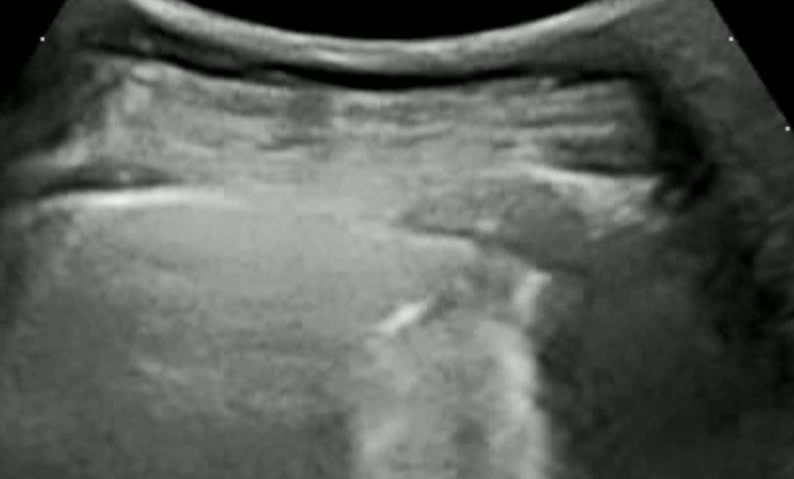
Ultrasound scan image Health

Ultrasound-based AI diagnostics

AI built around portable ultrasound, from data collection in real scanning sessions to interpretation models running on low-cost hardware.

Constraint: it has to work with limited compute and variable image quality.

Language

AI for African languages

Datasets and speech systems for underrepresented languages: recognition, text-to-speech, and radio or voice-based interaction built to run in real environments.

Impact signal: several datasets are open and already used by outside researchers.

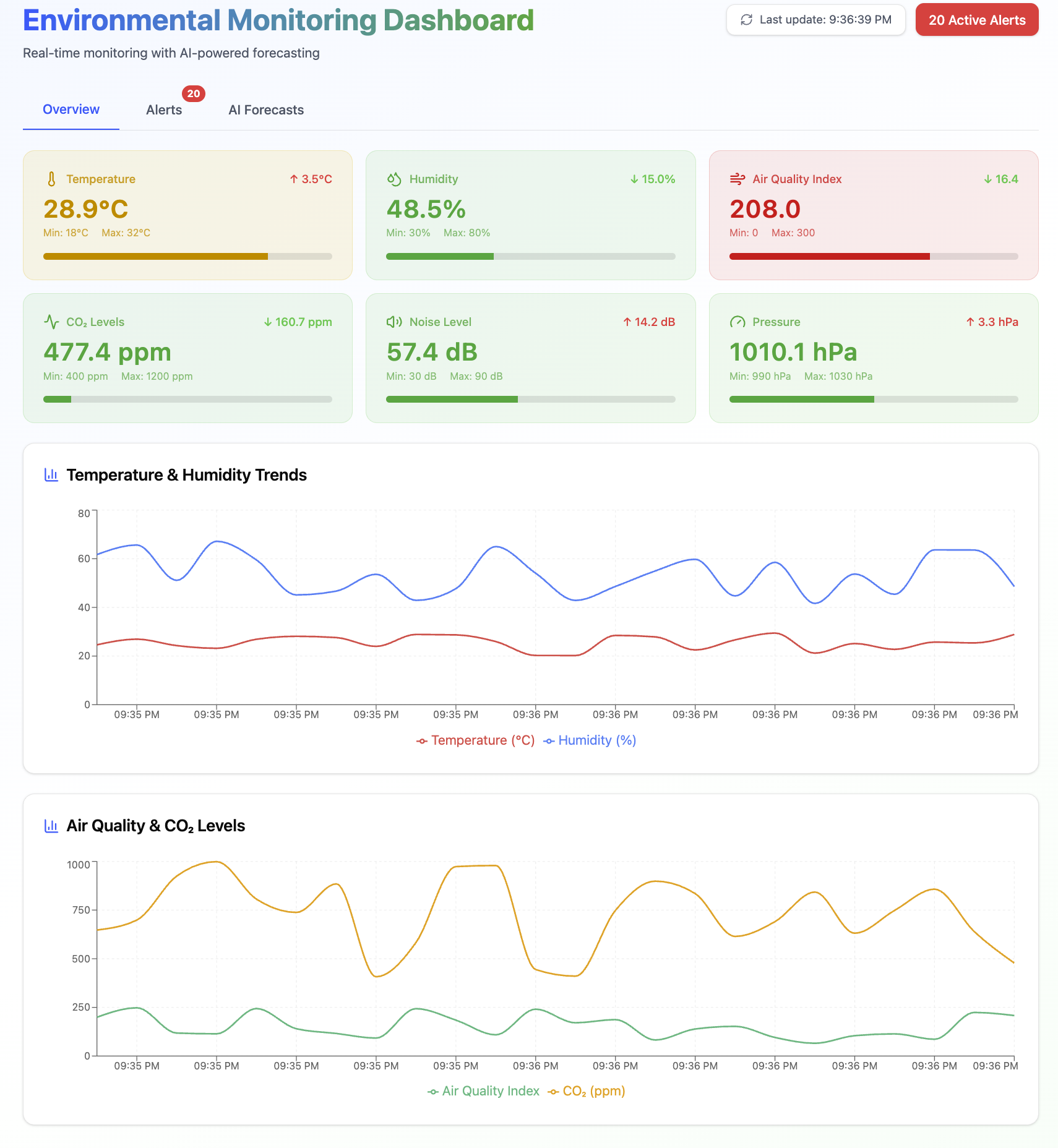
Real-time environmental monitoring dashboard Sensing

Intelligent monitoring systems

Sensors, data pipelines, and models that watch real-world environments: traffic and mobility, environmental sensing, real-time processing.

Recurring challenge: systems degrade unless they're actively monitored and maintained.

At a glance

The shape of the work

0
Open datasets

Released for global research use.

Clinical
Deployments & pilots Running in real healthcare settings
Industry
Partnerships Hospitals, government programs & industry
GPU
Infrastructure Supporting large-scale model training
Multimodal
Capability Across vision, language & sensor data

None of these are endpoints — they are part of an ongoing process of building and improving systems in the field.

How we work

A simple but demanding cycle

Most systems break the moment conditions change. So we treat deployment as the start of the work, not the end.

Build
Test in the field
Measure
Fix
Redeploy

We put a lot of emphasis on

  • Collecting the right data from deployment sites
  • Evaluating performance across locations
  • Recalibrating systems when conditions change
  • Monitoring models after they are in use

This is where most systems fail.

It's also where most of our work sits.

From research to use

A lot of good work never leaves the lab. We try to avoid that.

Where possible, we move projects along a path: from an idea to something running in real workflows.

01

Initial research

02

Working prototype

03

Field pilot

04

Deployment in real workflows

Not every project reaches the final stage, but that is always the direction of travel.

Commercialization & deployment

We're increasingly focused on what happens after a system works.

We're deliberate about this. The goal isn't to force commercialization; it's to make sure useful systems continue to exist and improve.

Supporting external teams to evaluate and deploy their AI systems

Building reusable platforms for monitoring and validation

Exploring partnerships where systems can be sustained beyond research funding

Capabilities

Our work draws on a mix of skills

Machine learning (vision, multimodal, language)
Embedded & edge systems
Medical imaging workflows
Dataset development & annotation
System evaluation & monitoring

What matters is how these pieces come together under real constraints.

Infrastructure & programs
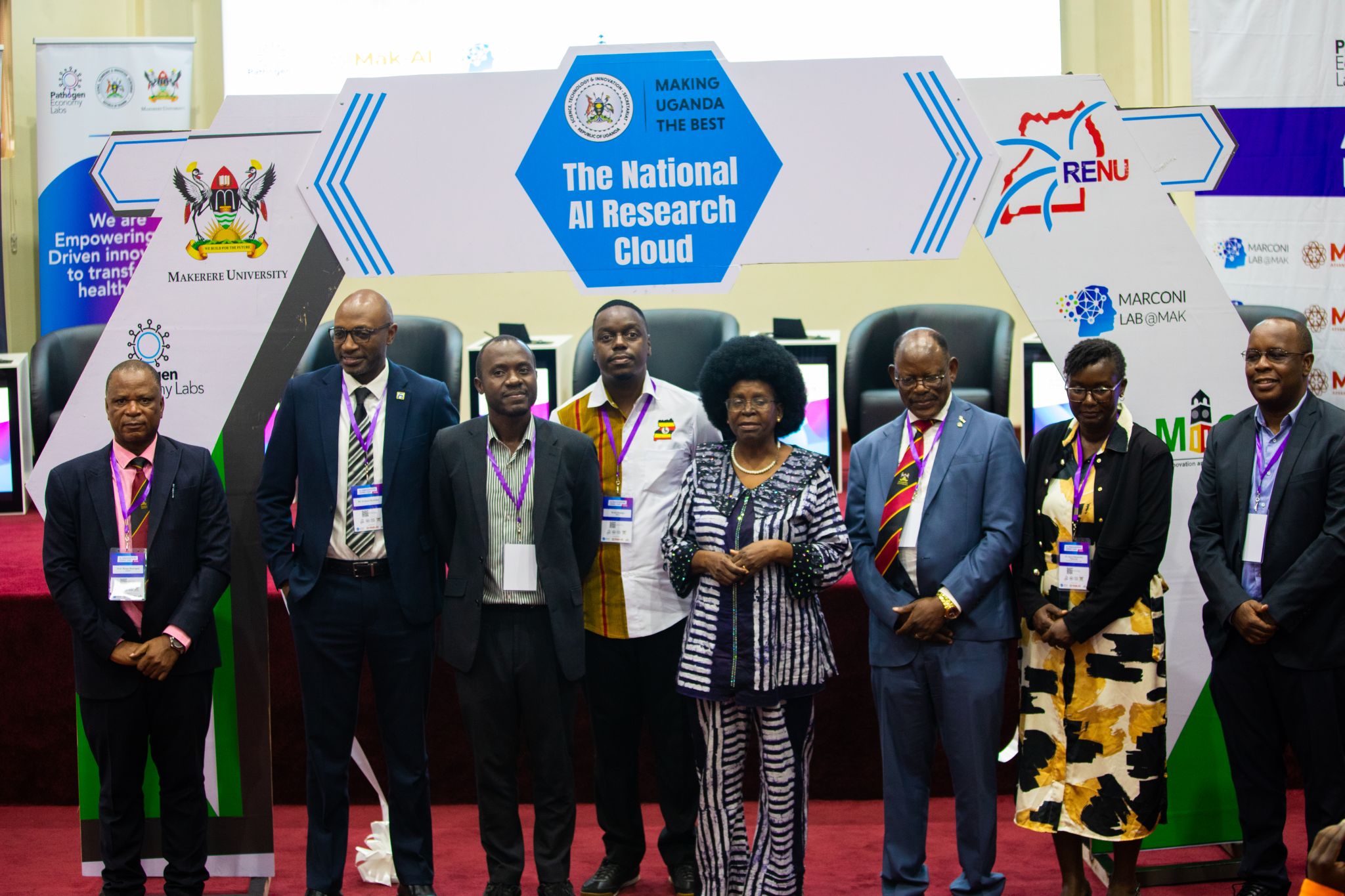
The National AI Research Cloud

The National AI Research Cloud

Shared GPU infrastructure for large-scale model training.

The National AI Data Platform

The National AI Data Platform

Curated, governed datasets for research and deployment.

The Pathogen Economy Labs

Applied research at the intersection of AI, health, and surveillance.

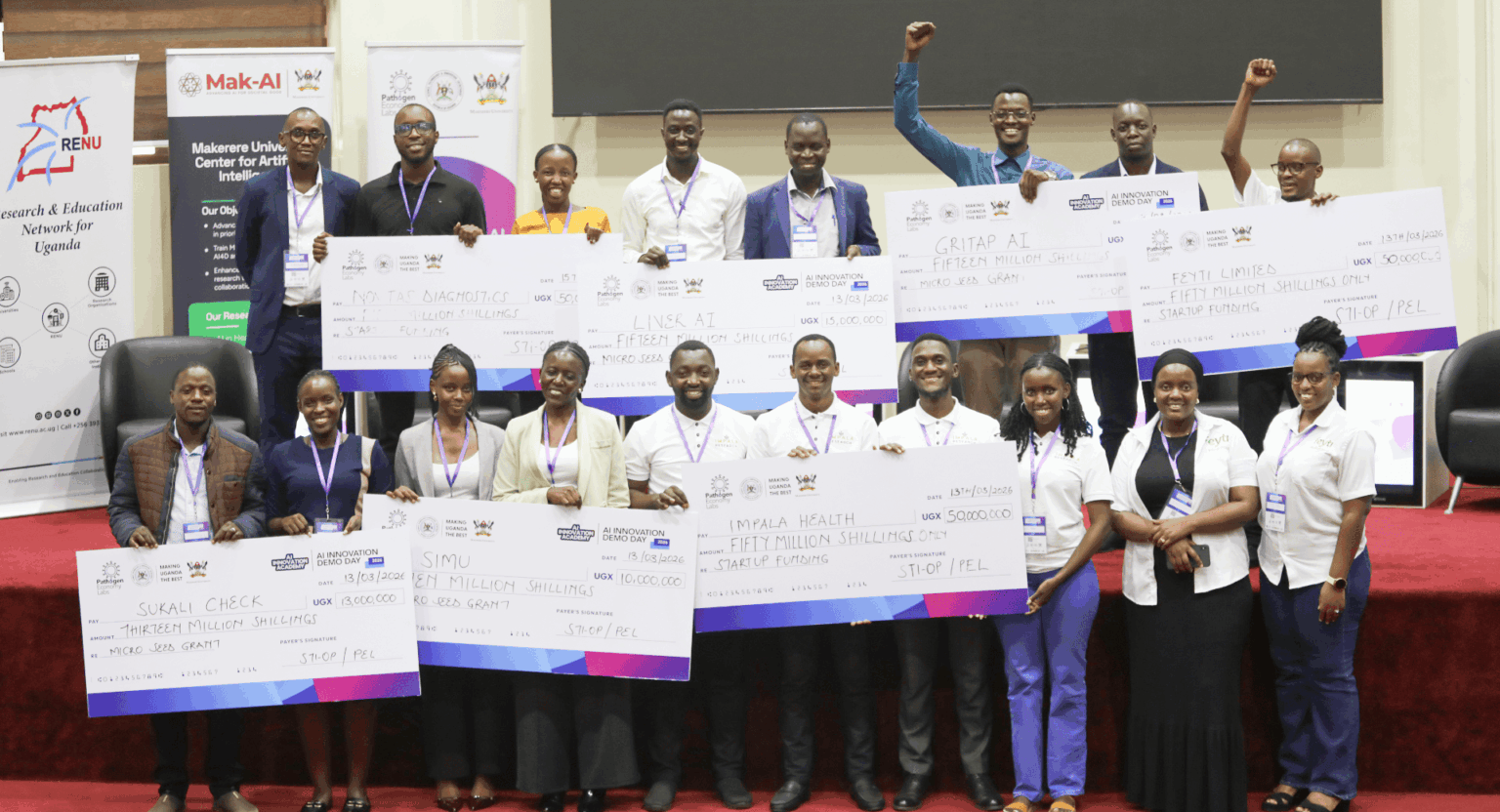
The AI Innovation Academy

The AI Innovation Academy

Training the next generation to build and deploy clinical AI.

News

Latest updates

Stay informed about our recent discoveries and achievements.

Partnerships

We build alongside the people solving the problem

Some partnerships begin as research projects. Others start with a practical deployment problem. Either way, the goal is the same: to end up with something that works in practice.

Hospitals & clinical programs
Government institutions
Startups & engineering teams
International research collaborators

Trusted by partners across research, health, and industry

Makerere University
Emergent AI
NetLabs
Marconi
Google
Makerere AI Lab
Moja Global
GIZ
IDRC
SIDA
Butabika National Referral Hospital
Makerere University College of Health Sciences
Mildamay
RENU
Wellcome Trust
Xeno
Work with us

We're most useful when something is hard to deploy

A model that performs well in the lab but not in practice
A system that needs evaluation before rollout
A pilot that needs to run in real conditions
A full system that needs to be built end-to-end

If that sounds familiar, we should talk.

Start a conversation